Wills reveals why he told kids everything about Kate’s ‘difficult’ cancer treatment
In 2024, when both Kate and the King were diagnosed with cancer, Wills said he decided to be as open as possible with his kids about the family’s health challenges.


Speaking on Brazilian TV, Wills explained he and Kate faced “difficult questions” around the Duchess’s diagnosis from the couple’s children.
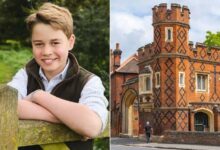
George, 12, Charlotte, 10, and Louis, seven, asked a lot about their mothers health, the Prince said.
He and Kate decided together that the best policy with the young royals was honesty.



The Prince of Wales said: “Every family goes through difficult times and faces challenges together.
“How you deal with those moments makes all the difference.
“We decided to tell our children everything, both the good news and the bad.
“We explain to them why certain things happen and why they might feel upset.
“Many questions might come up without answers — I think all parents go through that.
“There’s no rulebook for being a parent, and we chose to talk about everything.”
The candid interview with Brazilian TV host Luciano Huck took place in Rio de Janeiro for Huck’s popular Domingão show.
Wills was in the country for his environmental initiative, the Earthshot Prize.
He also represented his father, the King, at COP 30 alongside dignitaries and politicians from across the globe.
The Prince of Wales delivered a poignant speech at the summit, speaking from the heart about his determination to continue his father’s work on green issues.
After his time in the country Wills has been given honorary citizenship by Rio de Janeiro.


Wills, who was given the keys to the city by mayor Edoardo Peas last week, has now been upgraded.
On Sunday, Rio City Council President Carlo Caiado and Mayor Eduardo Paes announced they’ll be making The Prince an honorary citizen of Rio, the award is called the Cidade Maravilhosa.
Rio City Council President Carlo Caiado (PSD) said: “Prince William truly deserves to become an honorary carioca.
“His recent visit to our city was remarkable and already missed by many. He has shown genuine commitment to humanitarian and environmental causes, as we can see during the COP30 in Belém.
“He deserves all the recognition. The mayor said the prince should become a carioca and we embraced the idea.”
Wills’ candid interview with Luciano Huck saw the TV presenter welcome him on behalf of all Brazilians after he wowed the country during his five day trip.
The Brazilian presenter went on to present the prince with a touching photograph of his late mother, Princess Diana, taken during her 1991 visit to São Paulo.
I carry her social and humanitarian legacy with me every day.
Prince William on his mum Princess Di
The image showed Diana holding a child with HIV, a move that – at the time – was seen as taboo.
The Prince of Wales’ mother helped to shatter stigmas around the illness, famously shaking hands with a HIV patient in April 1987.
Huck told William his mother “became a very important figure in the fight against prejudice.”
Wills replied: “I carry her social and humanitarian legacy with me every day.”
During the interview, in a heartfelt display of honesty, Wills spoke openly about his family’s health struggles.
He revealed openly how he and Kate approached talking to their children about the princess’s health battle.
He also gave an insight into the family’s day-to-day life, revealing that he and Kate share the school run and try to be present for their children as much as possible.
Wills said he tries to play with his kids whenever he can and makes an effort to be with the royal children for play dates, sports days and matches.
While he tries to share the school run with Kate, Wills admitted that she does ferry the kids to school more often than he does.
The Prince did quip that he is present as a “taxi driver” for his young children whenever possible though.
William also spoke about he and Kate’s cautious approach to technology.
The Prince of Wales explained that none of the children have mobile phones yet, adding: “It is really hard. Our children don’t have phones, when George moves onto secondary school, maybe he’ll have one with limited access.
“We talk to him and explain why we don’t think it’s right. With full access, children end up seeing things on the internet that they shouldn’t.
“But with restricted access, I think it’s good for messaging.”
